How Economic Sanctions Work: Tools, Limits and Unintended Effects
Explainer · Background guide — not news reporting
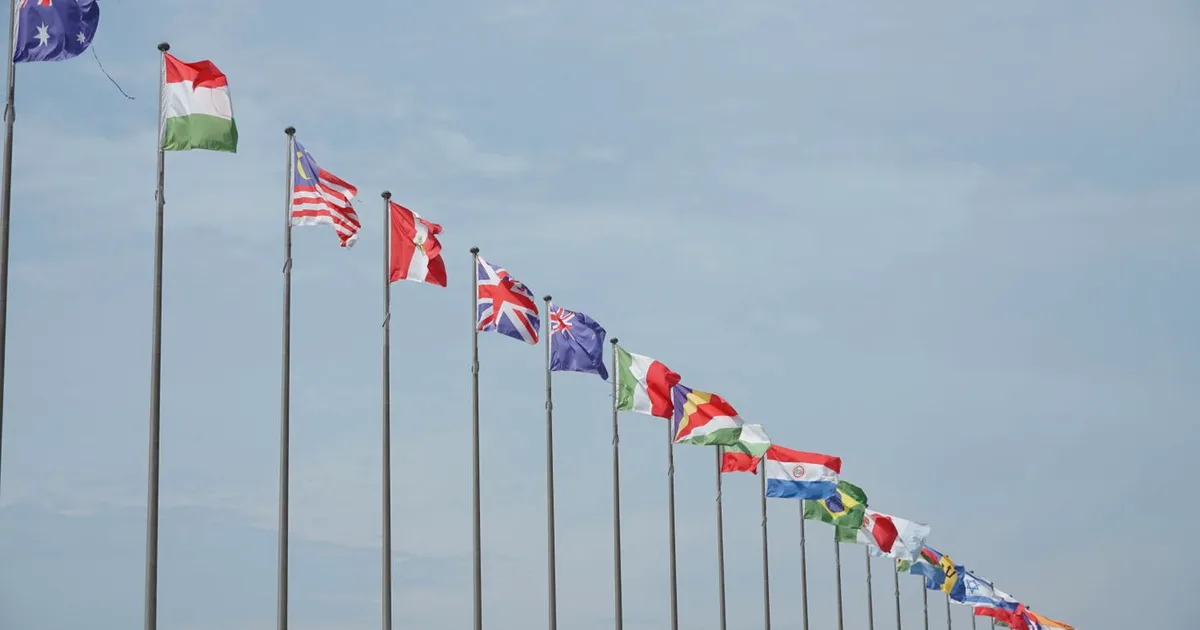
When a government wants to pressure another country without going to war, economic sanctions are often the tool of choice. They can freeze assets, block trade, and cut targets off from the global financial system. But sanctions are far more complex — and often less effective — than they appear.
This explainer covers how sanctions are meant to work, the main types, and why they frequently produce mixed or unintended results.
What sanctions are meant to do
Economic sanctions are penalties imposed to pressure a government, organisation or individual into changing behaviour — without resorting to military force. The logic is simple: raise the economic cost of a course of action high enough that the target reconsiders. Sanctions sit between diplomacy and war as a coercive but non-violent tool.
The main types of sanctions
Sanctions come in several forms. Trade sanctions restrict imports or exports, sometimes as a broad embargo. Financial sanctions freeze assets or block access to banking systems. Targeted sanctions (sometimes called ‘smart sanctions’) focus narrowly on specific individuals, companies or sectors to pressure decision-makers while trying to spare ordinary citizens. The choice of type reflects the goal and the desire to limit collateral damage.
Why financial sanctions can bite
Because so much global commerce runs through a handful of major financial systems and currencies, financial sanctions can be especially powerful. Cutting a target off from these networks can make it hard to trade, borrow or move money internationally. This gives states that control key financial infrastructure significant leverage — a modern form of economic power.
Why sanctions often fall short
Despite their reach, sanctions frequently fail to achieve their political goals. Targeted regimes may absorb the pain, rally domestic support against foreign pressure, or find alternative partners and workarounds. Determined governments often prioritise their aims over economic cost. History offers many cases where sanctions imposed real hardship yet didn't change the targeted behaviour.
Unintended consequences
Sanctions can also produce effects their designers didn't intend. Broad measures may harm ordinary people more than the leaders they target. They can push targeted states toward new alliances or self-sufficiency, and sometimes strengthen the very governments they aim to weaken. These unintended effects are a major reason sanctions design has shifted toward more targeted approaches.
Judging sanctions realistically
Sanctions are neither useless nor a magic solution. They can impose genuine costs, signal disapproval, and constrain a target's options — but expecting them to reliably force major policy reversals is often unrealistic. Understanding their tools, limits and side effects gives you a far more accurate way to interpret news of new sanctions and debates over whether they ‘work’.
Types of sanctions compared
Sanctions come in several forms, each with different targets and effects. Distinguishing them clarifies how they are meant to work:
| Type | What it targets | Intended effect |
|---|---|---|
| Trade sanctions | Imports or exports of goods | Pressure an economy or sector |
| Financial sanctions | Access to banking and finance | Cut off funding and transactions |
| Targeted sanctions | Specific individuals or entities | Pressure decision-makers directly |
| Sectoral sanctions | A whole industry (e.g. energy) | Weaken a strategic sector |
Modern policy increasingly favours targeted and financial sanctions, which aim to pressure leadership while limiting harm to ordinary citizens.
Why sanctions succeed or fail
Sanctions are a common tool but an unpredictable one. Several factors shape whether they achieve their goals:
- How dependent the target is on the sanctioning country or bloc.
- Whether other nations join in or undercut the effort.
- Whether the target can find alternative partners and workarounds.
- How much economic pain the target's leadership is willing to absorb.
- Whether the demands attached to the sanctions are clear and achievable.
The limits and trade-offs of sanctions
Sanctions are often described as a middle path between doing nothing and going to war, and that is a fair characterisation, but it can obscure how blunt and unpredictable an instrument they really are, which is why understanding their limits is as important as understanding their mechanics. The central idea is straightforward: by restricting trade, finance or access to markets, the sanctioning side hopes to impose enough economic cost that the target changes its behaviour. In practice, however, several complications arise. A target with alternative trading partners, valuable resources, or a leadership willing to tolerate hardship can withstand pressure for a long time, and sanctions frequently fall hardest on ordinary people rather than the decision-makers they are meant to influence. There is also the risk that sanctions push the target toward rival powers, deepening the very divisions they were meant to address, or that they spur the development of workarounds that erode their effectiveness over time. Broad, sweeping sanctions can cause humanitarian harm and generate international criticism, which is part of why policymakers have moved toward more targeted measures aimed at specific individuals, companies and sectors. Even then, success depends heavily on whether other countries cooperate, since a sanction that one bloc imposes but others ignore is easily circumvented. Recognising these trade-offs does not mean sanctions are useless; they can signal resolve, raise costs and constrain a target's options. But it does mean they should be understood as a tool with real limits and side effects rather than a guaranteed lever, and evaluating any sanctions policy requires asking not just whether it inflicts economic pain but whether that pain is likely to produce the intended political result.
Printable checklist
Print this page or save the PDF to keep these steps handy.
- What sanctions are meant to do
- The main types of sanctions
- Why financial sanctions can bite
- Why sanctions often fall short
- Unintended consequences
- Judging sanctions realistically
- Types of sanctions compared
- Why sanctions succeed or fail
Summary
Sanctions are economic penalties — on trade, finance, individuals or sectors — used to pressure a state or actor into changing behaviour without military force. They range from broad trade embargoes to narrowly targeted measures. While they can impose real costs, sanctions often fall short of their goals, can harm ordinary people, and may prompt targets to adapt or find alternatives.
The takeaway
- Sanctions are economic penalties aimed at changing behaviour without war.
- They range from broad embargoes to targeted measures on individuals or sectors.
- Financial sanctions can be powerful by restricting access to the global banking system.
- Sanctions frequently fall short of their political goals.
- They can cause unintended harm to ordinary people and prompt targets to adapt.
Reader questions
Do economic sanctions actually work?
Sometimes partially, but they often fall short of their political goals. They can impose real costs and constrain a target's options, yet determined governments frequently absorb the pain or adapt rather than change course.
What's the difference between broad and targeted sanctions?
Broad sanctions (like embargoes) restrict a whole economy and can harm ordinary people. Targeted or ‘smart’ sanctions focus narrowly on specific individuals, firms or sectors to pressure decision-makers while limiting wider harm.
Why are financial sanctions considered powerful?
Because much global commerce depends on a few major financial systems and currencies. Cutting a target off from these can severely limit its ability to trade, borrow and move money internationally.