How the UN Security Council Works and Why It Often Deadlocks
Explainer · Background guide — not news reporting
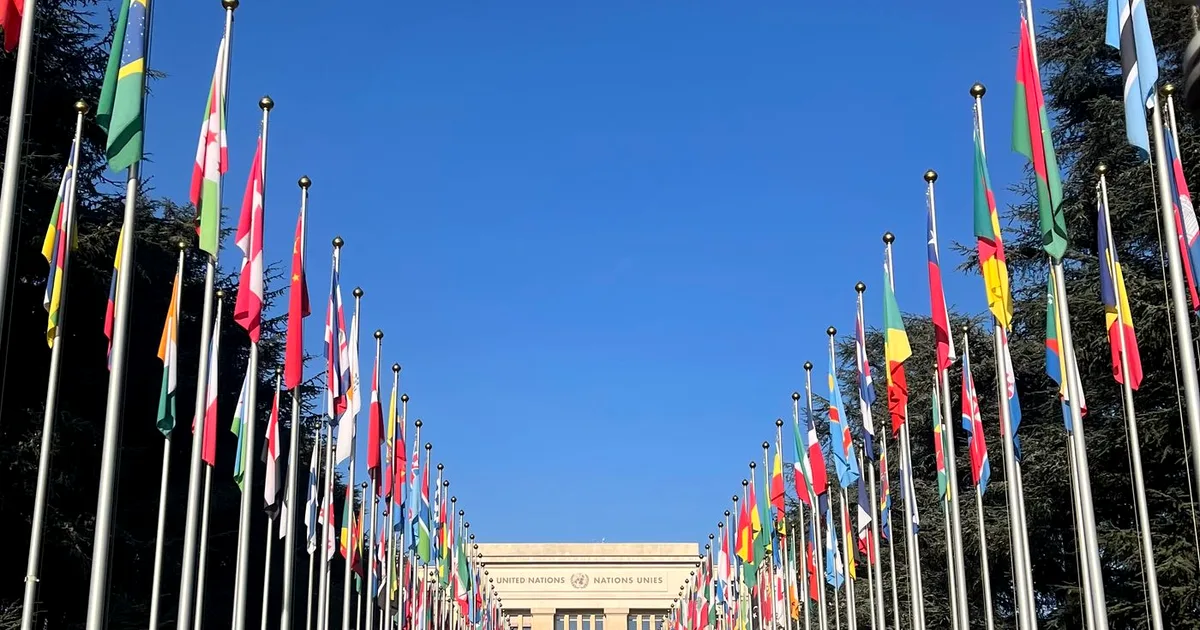
When a major international crisis erupts, attention often turns to the UN Security Council — and just as often, to its failure to agree. Understanding how the Council is structured, and especially the power of the veto, explains both its unique authority and its frequent paralysis.
This explainer breaks down how the Security Council works and why deadlock is so common.
What the Security Council is for
The UN Security Council is the part of the United Nations tasked with maintaining international peace and security. Unlike some UN bodies that can only recommend, the Security Council can make binding decisions — authorising actions that member states are obligated to follow. This makes it one of the most powerful international institutions, at least on paper.
Who sits on the Council
The Council has two kinds of members. A set of permanent members hold their seats continuously and wield special powers. A larger set of non-permanent members rotate, serving fixed terms before being replaced. This mix was designed to give the major powers a permanent stake while allowing broader representation over time.
The veto: the decisive power
The most consequential feature is the veto held by the permanent members. Any one of them can block a resolution simply by voting against it, regardless of how many others support it. This single mechanism explains much of the Council's behaviour: no major action can proceed if it seriously conflicts with a permanent member's interests.
Why deadlock is so common
The veto's flip side is frequent deadlock. When a crisis touches the interests of a permanent member — or its allies — that member can prevent the Council from acting, even amid broad international agreement. Because many serious crises involve or divide the major powers, the Council often finds itself unable to respond decisively, drawing criticism for paralysis.
The trade-off behind the design
Why keep a system that produces deadlock? The veto was a deliberate bargain: giving major powers a guaranteed way to protect their vital interests was meant to keep them engaged in the UN rather than abandoning it. The reasoning was that a body the great powers ignore would be useless. So the veto trades decisiveness for buy-in — a compromise with real costs and real benefits.
Making sense of the news
Understanding this structure clarifies a lot of international news. When you hear that the Security Council ‘failed to act’ or a resolution was ‘vetoed’, you now know the mechanism and the reason. It also explains ongoing debates about reforming the Council — whether its structure still fits today's world — which are themselves a recurring topic in global affairs.
The Council's structure in brief
The Security Council's design explains much of how it behaves. These features are the essentials:
| Feature | Detail |
|---|---|
| Permanent members | Five, each holding a veto |
| Non-permanent members | Ten, elected for two-year terms |
| The veto | Any permanent member can block a resolution |
| Binding decisions | Its resolutions can carry binding authority |
The veto held by the five permanent members is the single feature that most shapes what the Council can and cannot do.
Strengths and limitations
The Council is powerful in principle but constrained in practice. Both sides are worth understanding:
- Strength: it can authorise binding measures the wider membership must respect.
- Strength: it provides a forum for managing the gravest security crises.
- Limitation: a single veto can block action even with broad support.
- Limitation: its composition reflects the world of decades ago, prompting reform debates.
- Limitation: it depends on members' willingness to enforce its decisions.
Why the veto shapes everything
To understand why the Security Council succeeds in some crises and appears paralysed in others, you have to understand the veto, because this single feature shapes the Council's behaviour more than any other and explains much of what people find frustrating about it. The five permanent members each hold the power to block any substantive resolution, which means that no matter how much support a measure has among the rest of the membership, it cannot pass if even one of those five opposes it. This design was deliberate: the Council was built to keep the most powerful states engaged within the system rather than acting entirely outside it, on the reasoning that decisions on the gravest matters of international peace should not be imposed on a major power against its will, since attempting to do so could fracture the whole institution. The trade-off is that when the interests of the permanent members diverge, the Council often cannot act, which is why it can seem effective in some situations and helpless in others depending on whether the major powers happen to align. Critics argue this makes the Council unrepresentative and prone to deadlock, and it fuels ongoing debates about reforming its membership and the veto itself, while defenders contend that the veto is precisely what keeps powerful states committed to the framework rather than abandoning it. Whatever one's view, recognising the central role of the veto is essential to reading the Council's actions accurately: its successes and failures usually turn not on the merits of a given proposal but on whether the permanent members' interests converge or collide, and grasping that dynamic is the key to making sense of one of the world's most important and most criticised institutions.
Printable checklist
Print this page or save the PDF to keep these steps handy.
- What the Security Council is for
- Who sits on the Council
- The veto: the decisive power
- Why deadlock is so common
- The trade-off behind the design
- Making sense of the news
- The Council's structure in brief
- Strengths and limitations
Summary
The UN Security Council is the UN body charged with maintaining international peace and security, with the power to make binding decisions. It includes permanent members holding a veto and rotating non-permanent members. The veto means any one permanent member can block action, which gives the Council legitimacy and buy-in from major powers but also causes frequent deadlock when their interests clash.
The takeaway
- The Security Council is the UN body responsible for peace and security.
- It can make binding decisions, unlike some other UN bodies.
- It has permanent members with veto power and rotating non-permanent members.
- Any single permanent member can block a resolution with its veto.
- The veto ensures major-power buy-in but frequently causes deadlock.
Reader questions
What is the UN Security Council veto?
It's the power held by each permanent member to block any resolution by voting against it, no matter how many other members support it. A single veto is enough to stop an action.
Why does the Security Council often fail to act?
Because the veto lets any permanent member block action that conflicts with its interests or those of its allies. Since many crises divide the major powers, deadlock is common.
Why was the veto created if it causes gridlock?
It was a deliberate bargain to keep major powers engaged in the UN by guaranteeing them a way to protect vital interests. The idea was that a body the great powers ignored would be ineffective.