Understanding Elections Explained
Explainer · Background guide — not news reporting
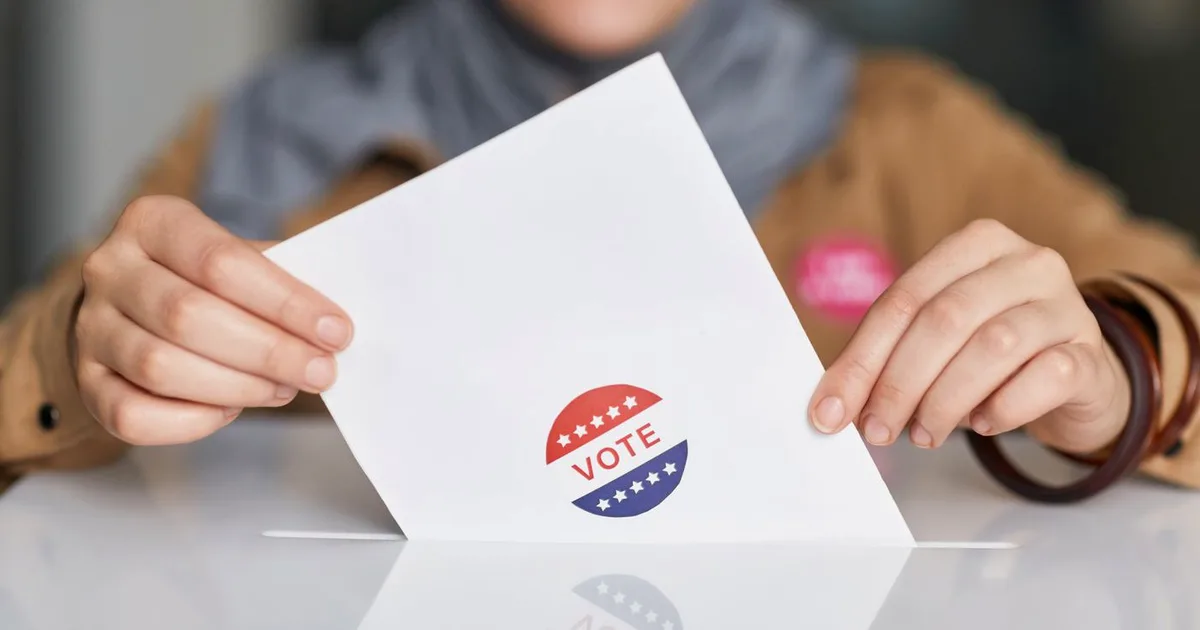
Elections are the mechanism that turns millions of individual choices into a government. Behind the simple act of marking a ballot lies a detailed process — voter registration, ballot design, casting, counting, auditing, and certification — governed by law and administered by election officials. This guide explains how that process works, how systems differ, and how results are made trustworthy.
From Registration to the Ballot
Most democracies require citizens to be on an electoral roll before voting. Registration may be automatic (as in much of Europe) or require an application (as in many U.S. states). Officials then produce ballots listing the candidates or parties, and decide the methods available: in person on election day, early voting, or by mail.
Ballot design and access rules are set by law and vary widely, which is one reason turnout and administration differ so much between countries and even between regions of the same country.
How Votes Are Counted and Verified
After polls close, votes are counted according to established procedures. Modern elections build in verification: reconciling the number of ballots with the number of voters, retaining paper records where possible, and conducting post-election audits. In the U.S., risk-limiting audits statistically confirm that the reported winner is correct.
Independent observers, party representatives, and the press typically monitor counting. Discrepancies are resolved through recounts and courts, not by assertion, which is what makes results credible.
Turning Votes into Seats
How votes become seats depends on the electoral system. In first-past-the-post, the candidate with the most votes in a district wins, which tends to produce two large parties (as in the U.S. and U.K.). Proportional representation allocates seats in line with vote share, producing multiparty legislatures common in continental Europe.
There are hybrids too, such as Germany’s mixed-member proportional system. Each design trades off between local representation, proportionality, and the ease of forming stable governments.
Making Elections Trustworthy
Trust rests on transparency and law. Election authorities publish rules in advance, allow observation, keep auditable records, and provide legal channels for challenges. International bodies like the OSCE and the Carter Center send observers and publish methodologies for assessing whether an election is free and fair.
Claims of fraud should be evaluated against evidence presented in official processes and courts. Across many recent audits and legal reviews, large-scale fraud has been rare and detectable, precisely because of these safeguards.
Being an Informed Voter
Check your registration status early, confirm your polling place and deadlines with your official election authority, and read the actual ballot in advance. Reliable, non-partisan information comes from national or state election commissions rather than social media.
Understanding the system also means knowing that close results and slow counts are normal, especially where mail ballots are counted after election day. Patience and reliance on official sources are the best defenses against misinformation.
Money, Media, and Campaigns
Elections are shaped not only by rules but by campaigns. Fundraising, advertising, debates, and increasingly social media influence which messages reach voters. Different countries regulate campaign finance very differently, from strict spending caps to relatively open systems, and these rules affect who can compete.
Understanding the campaign environment helps you interpret an election beyond the final tally: who set the agenda, which issues dominated, and how information — and misinformation — circulated. Media literacy is now part of being an informed voter.
The takeaway
- Elections involve registration, balloting, counting, auditing, and certification — all governed by law.
- Verification steps like reconciliation, paper records, and audits make results trustworthy.
- First-past-the-post tends toward two parties; proportional representation produces multiparty legislatures.
- Independent observers and courts, not assertions, resolve disputes.
- Official election authorities are the reliable source for registration, deadlines, and results.