Understanding International Relations
Explainer · Background guide — not news reporting
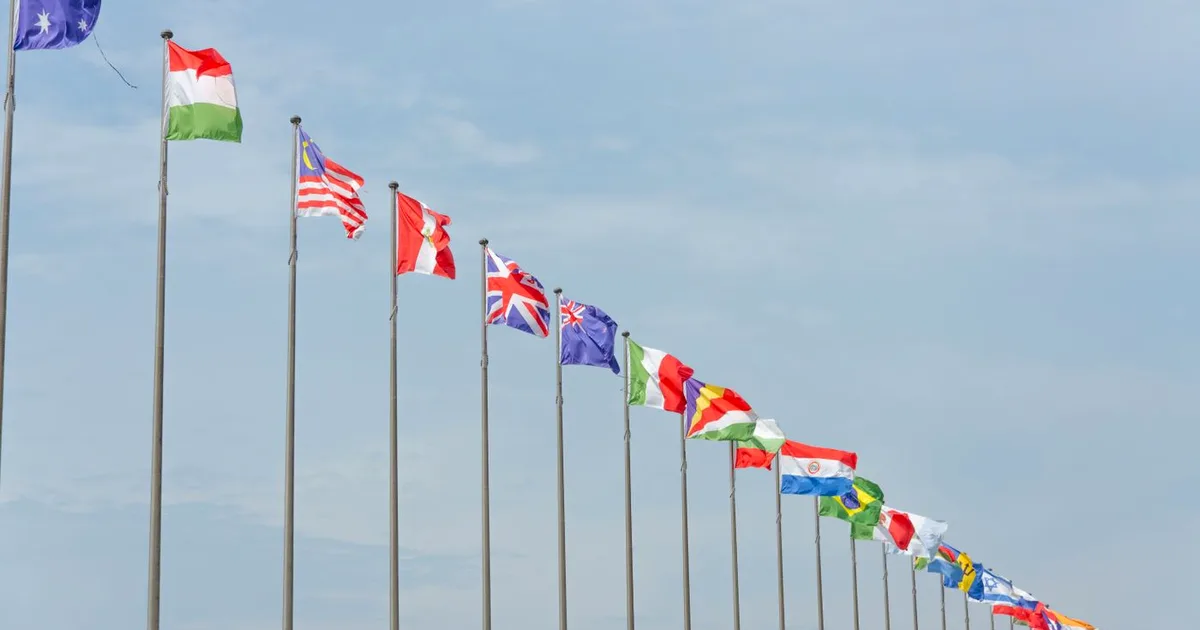
International relations is the study of how states, international organizations, and other actors interact in a world with no single global government. It tries to explain why countries go to war, why they cooperate through trade and treaties, and how power is distributed. This guide introduces the main theories and shows how they illuminate real events, from alliances to sanctions.
A World Without a Global Government
The starting point of most international-relations theory is anarchy — not chaos, but the absence of a world authority above states. Each state is formally sovereign, so cooperation and conflict happen through bargaining, alliances, institutions, and sometimes force.
This structure explains why trust is hard to guarantee between states and why they often prepare for the possibility that others will not keep their word.
Realism: Power and Security
Realists argue that states act primarily to ensure their own survival and to maximize power or security in a competitive system. The “security dilemma” captures a core problem: when one state builds up arms for defense, others feel threatened and respond, making everyone less secure.
Realism helps explain arms races, balancing coalitions against a rising power, and why great powers guard their spheres of influence. Thinkers from Thucydides to Hans Morgenthau and Kenneth Waltz shaped this tradition.
Liberalism and Institutions
Liberal theories emphasize that cooperation is possible and common. Trade creates mutual gains, and international institutions — the UN, WTO, and regional bodies like the EU — reduce uncertainty by setting rules, sharing information, and lowering the cost of cooperation.
“Democratic peace” research observes that established democracies rarely fight one another, suggesting that domestic institutions and economic ties can dampen conflict, though scholars debate the mechanisms.
Constructivism and Other Lenses
Constructivists argue that interests are not fixed but shaped by ideas, identities, and norms. Why is a British nuclear weapon less alarming to Washington than a North Korean one? Because relationships and shared understandings, not just capabilities, define threats.
Additional perspectives — including approaches focused on economics, gender, and the global South — highlight factors that the traditional theories can miss, giving a fuller picture of world politics.
Using Theory to Read the News
No single theory explains everything; analysts use them as complementary lenses. A trade negotiation may be best understood through liberalism, a border standoff through realism, and a shift in alliances through constructivism.
When you read about summits, sanctions, or treaties, ask what each actor wants, what constraints the system imposes, and which institutions or norms are in play. For primary information, official sources such as the UN, foreign ministries, and treaty texts are the most reliable.
Non-State Actors and New Challenges
States are no longer the only players. Multinational corporations, international NGOs, armed non-state groups, and even large technology platforms shape outcomes across borders. Transnational problems such as climate change, pandemics, and cyber threats do not respect sovereignty and require cooperation that traditional theory did not fully anticipate.
Adding these actors and issues to the picture makes international relations messier but more realistic. It explains why summits now involve businesses and civil society, and why security increasingly includes domains like data and disease.
The takeaway
- International relations studies how states interact in a system with no world government.
- Realism stresses power, survival, and the security dilemma.
- Liberalism highlights how trade and institutions make cooperation possible.
- Constructivism shows that ideas, identities, and norms shape state interests.
- Analysts use the theories as complementary lenses rather than a single answer.