Understanding Political Systems
Explainer · Background guide — not news reporting
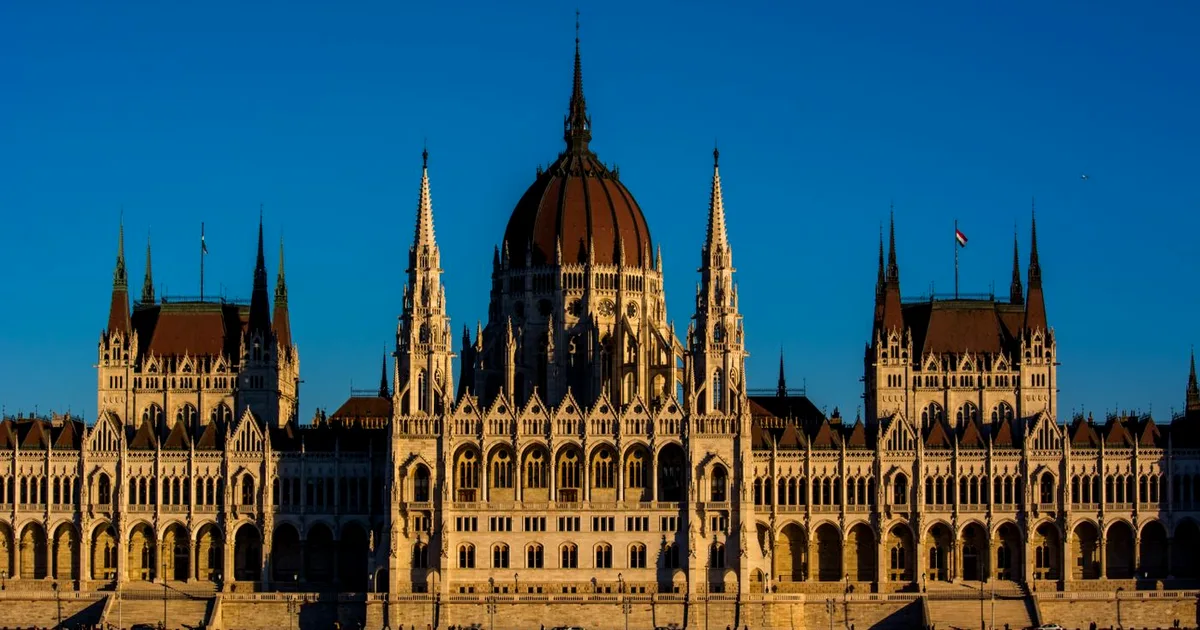
A political system is the way a country organizes authority: who makes decisions, how leaders are chosen, and how power is checked. Two countries can both be democracies yet work very differently depending on whether they use a presidential, parliamentary, or hybrid design. This guide compares the main systems and the trade-offs each involves.
How Systems Are Classified
Political systems can be sorted along several dimensions: democratic versus authoritarian, the relationship between executive and legislature, and how power is distributed between national and regional levels. This guide focuses on the executive–legislature relationship in democracies, which shapes daily governing most directly.
The core question is where executive authority comes from and to whom it answers.
Presidential Systems
In a presidential system, voters elect a president separately from the legislature for a fixed term. The president is both head of state and head of government and cannot usually be removed for political reasons alone. The United States, Brazil, and Mexico are examples.
The strength is a clear mandate and stability of tenure; the risk is deadlock when the president and legislature are controlled by opposing parties, since neither can easily force the other’s hand.
Parliamentary Systems
In a parliamentary system, voters elect the legislature, which then produces the executive: a prime minister and cabinet drawn from the majority. The government stays only as long as it holds the legislature’s confidence and can be removed by a no-confidence vote. The U.K., Germany, and Japan use versions of this.
The strength is flexibility and the ability to change leaders quickly; the risk is instability where many parties make durable majorities hard to build.
Hybrid and Other Arrangements
Semi-presidential systems, like France, combine a directly elected president with a prime minister accountable to parliament, dividing executive power. “Cohabitation” occurs when the president and parliamentary majority come from different camps.
Beyond democracies, authoritarian systems concentrate power and limit competition, though many hold elections that are not genuinely free. Recognizing the difference between form and substance is key to classifying real countries.
There Is No Perfect System
Each design trades off stability, accountability, and representation differently. Presidential systems offer stable terms but can gridlock; parliamentary systems adapt quickly but can be volatile; proportional electoral rules represent more views but complicate coalition-building.
The best system for a country depends on its history, divisions, and goals. Comparing systems helps you understand why reforms are debated and why importing another country’s model rarely works without adaptation. Official constitutions and comparative databases are good primary sources.
Federalism and the Vertical Division of Power
Beyond the executive–legislature relationship, systems differ in how they divide power between levels of government. Federations such as the United States, Germany, and India grant regions constitutionally protected powers, while unitary states keep authority central and delegate as they choose.
This vertical dimension shapes everything from taxation to education to how crises are managed. It also creates its own tensions, as national and regional governments negotiate who decides what — a defining feature of politics in large, diverse countries.
The takeaway
- A political system defines who holds authority, how leaders are chosen, and how power is checked.
- Presidential systems elect the executive separately for a fixed term, offering stability but risking deadlock.
- Parliamentary systems draw the executive from the legislature, offering flexibility but risking instability.
- Semi-presidential hybrids like France split executive power between president and prime minister.
- No system is perfect; each trades off stability, accountability, and representation differently.