Understanding Global Organizations
Explainer · Background guide — not news reporting
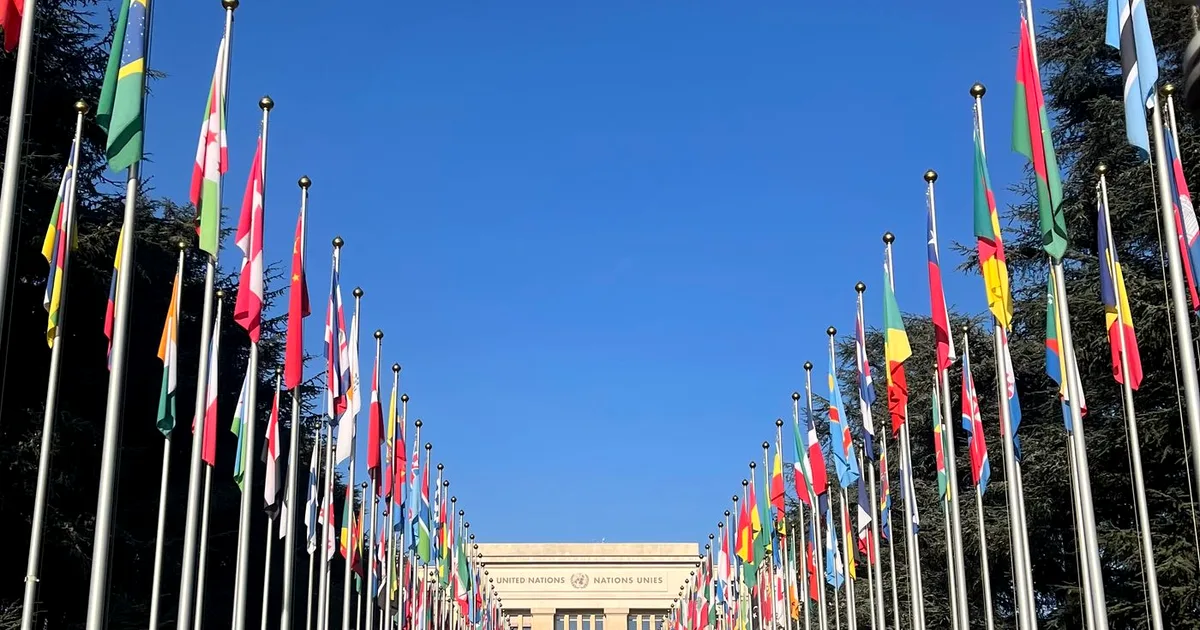
Global organizations are the bodies through which countries cooperate on problems no single state can solve alone — from security and health to trade and finance. They set rules, provide forums for negotiation, and deliver programs on the ground. This guide explains what the major organizations do, how they are governed, and why their power is real but limited.
Why Global Organizations Exist
Many challenges cross borders: pandemics, financial crises, climate change, and conflict. Global organizations lower the cost of cooperation by providing permanent forums, shared rules, expert staff, and mechanisms to monitor commitments, making it easier for states to work together and trust one another.
They do not replace national sovereignty; members retain the final say. Their authority comes from the treaties states agree to and the value of coordinated action.
The United Nations System
The UN, founded in 1945, is the broadest body, with nearly every country as a member. Its General Assembly is a universal forum; its Security Council handles international peace and security and can authorize sanctions or force, though its five permanent members hold vetoes that can block action.
A wide family of agencies — the WHO for health, UNICEF for children, UNHCR for refugees — carries out specialized work far beyond the headlines.
Economic Bodies: IMF, World Bank, WTO
The International Monetary Fund helps stabilize the global financial system and lends to countries in crisis, usually with policy conditions. The World Bank finances development projects. The WTO sets trade rules and adjudicates disputes.
These institutions are influential and sometimes controversial: critics argue their conditions can be too rigid or reflect powerful members’ interests, while supporters credit them with preventing crises and funding development.
How They Are Governed
Governance varies. In the UN General Assembly each country has one vote; in the IMF and World Bank, voting power is weighted by financial contribution, giving larger economies more say. This design shapes both their effectiveness and the debates over their fairness.
Reform is a constant theme — over Security Council membership, IMF voting shares, and the representation of developing countries — reflecting a world that has changed since these bodies were founded.
Real Power and Real Limits
Global organizations can accomplish a great deal: coordinating vaccine delivery, stabilizing currencies, brokering ceasefires, and setting standards that quietly govern air travel or the internet. But they depend on members’ cooperation and funding, and cannot compel powerful states.
Reading their role fairly means recognizing both what they achieve and what they cannot. For accurate information, the organizations’ own publications and independent evaluations are the most reliable sources.
Regional Bodies and a Crowded Landscape
Beyond global institutions, powerful regional organizations shape their neighborhoods. The European Union integrates markets and law among its members; the African Union, ASEAN, and others coordinate on security, trade, and diplomacy. These bodies often act faster than global ones because members share more.
The result is a layered, sometimes overlapping landscape of cooperation. Understanding which body has authority over a given issue — and where they compete or complement each other — is essential to following international affairs accurately.
The takeaway
- Global organizations help states cooperate on cross-border problems through shared rules and forums.
- The UN provides a universal forum and, via the Security Council, handles peace and security — subject to vetoes.
- The IMF, World Bank, and WTO manage finance, development, and trade rules.
- Governance ranges from one-country-one-vote to weighted voting by contribution.
- These bodies have real power but depend on members and cannot compel powerful states.