Understanding Trade and Economics
Explainer · Background guide — not news reporting
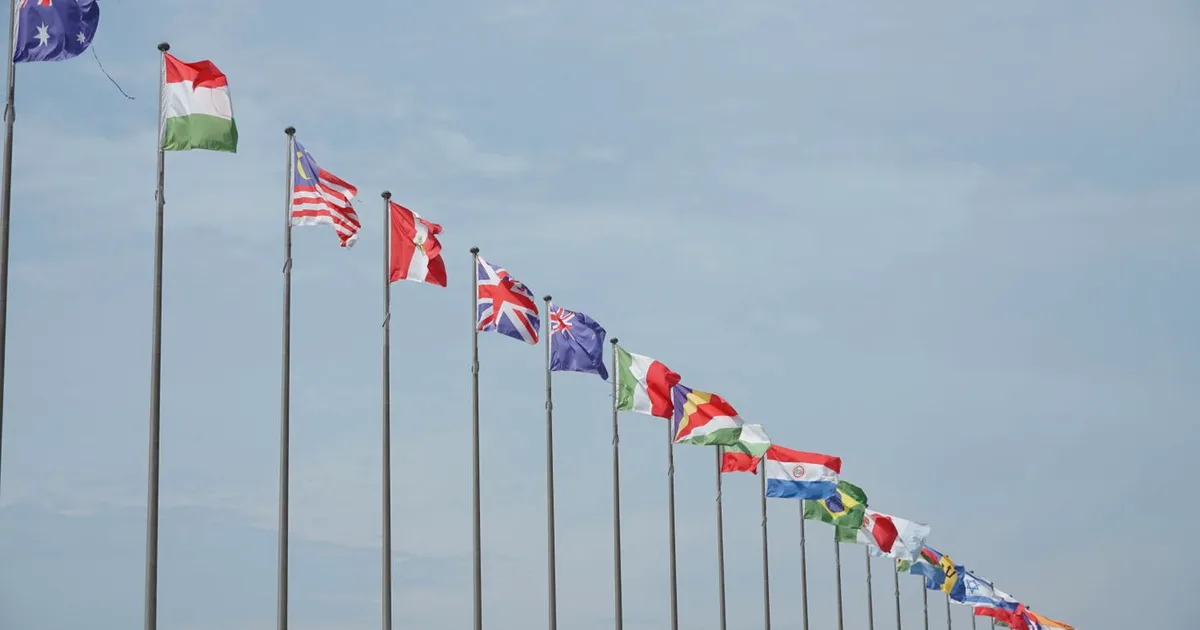
International trade lets countries buy and sell goods, services, and ideas across borders. It shapes prices in your local shop, the jobs available in your region, and the balance of power between nations. This guide explains why countries trade, what tariffs and trade deals do, and why the benefits and costs of trade are unevenly shared.
Why Countries Trade
The classic answer is comparative advantage, an idea from economist David Ricardo: even if one country is better at making everything, both countries can gain by specializing in what they do relatively best and trading for the rest. Trade expands the total set of goods available.
In practice, countries also trade for variety, scale, access to resources, and technology. Trade generally lowers prices and raises overall income, which is why it has grown for centuries.
Tariffs, Quotas, and Barriers
Governments can restrict trade with tariffs (taxes on imports), quotas (quantity limits), and regulations. Tariffs raise the price of imports, which can protect domestic producers but also raise costs for consumers and firms that use imported inputs.
Economists broadly agree that broad tariffs usually cost consumers more than they benefit protected industries, though targeted measures are debated, especially where national security or unfair practices are involved.
Trade Agreements and Institutions
Trade deals reduce barriers and set shared rules. They range from bilateral pacts to large blocs like the European Union’s single market and regional agreements across the Americas and Asia. The World Trade Organization (WTO) provides global rules and a system for resolving disputes.
These agreements are political as well as economic: they involve trade-offs among industries, labor and environmental standards, and questions of sovereignty, which is why they are often contested.
Winners, Losers, and Adjustment
Trade tends to make a country richer on average, but the gains and losses are unevenly spread. Consumers and exporting industries usually gain; workers in industries exposed to import competition can lose jobs, sometimes concentrated in particular regions.
This is why economists stress “adjustment” policies — retraining, education, and support — to help those who bear the costs. Ignoring the losers has fueled much of the political backlash against trade.
Trade in a Changing World
Recent years have seen more attention to supply-chain resilience, national security, and the concentration of production in a few countries. Terms like “nearshoring” and “friend-shoring” describe efforts to make supply chains more secure, sometimes at higher cost.
For reliable data and analysis, official statistical agencies, the WTO, the IMF, and central banks are the primary sources. Understanding both the gains from trade and its uneven effects is essential to reading economic debates fairly.
Currencies, Deficits, and Global Imbalances
Trade is settled in currencies, so exchange rates shape competitiveness: a weaker currency makes exports cheaper and imports dearer. Persistent trade deficits and surpluses reflect deeper patterns of saving and investment, not simply “winning” or “losing” at trade.
Misreading these figures is common in political debate. A trade deficit is not inherently bad, nor a surplus inherently good; both reflect complex flows of goods and capital. Reliable interpretation requires looking at the whole balance of payments, as central banks and statistical agencies do.
The takeaway
- Comparative advantage explains why trade can benefit all countries, even unequal ones.
- Tariffs protect some domestic producers but usually raise costs for consumers and firms.
- Trade agreements and the WTO set shared rules and resolve disputes.
- Trade raises average income but spreads gains and losses unevenly across groups and regions.
- Adjustment policies and reliable official data are key to fair debates about trade.