Understanding Human Rights
Explainer · Background guide — not news reporting
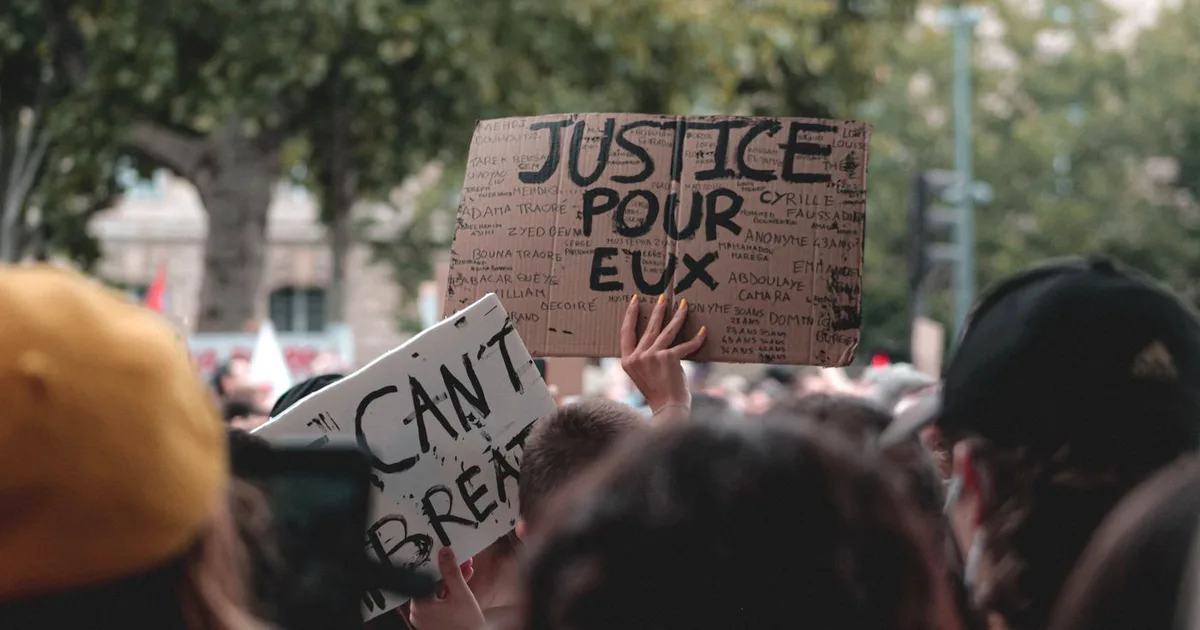
Human rights are the basic freedoms and protections that, in principle, belong to every person simply because they are human. The modern framework grew out of the aftermath of the Second World War and is now written into treaties, constitutions, and courts. This guide explains where these rights come from, how they are categorized, and how — imperfectly — they are enforced.
Where Modern Human Rights Come From
The 1948 Universal Declaration of Human Rights (UDHR), adopted by the UN General Assembly, is the foundational modern statement. Though not itself a binding treaty, it inspired binding agreements such as the two 1966 Covenants on civil-political and economic-social-cultural rights.
Regional systems followed — the European Convention on Human Rights, the American Convention, and the African Charter — each with its own court or commission.
Categories of Rights
Rights are often grouped into civil and political rights (life, liberty, free expression, fair trial, freedom from torture) and economic, social, and cultural rights (education, health, adequate standard of living). A third grouping, sometimes called solidarity rights, includes collective concerns like development and a healthy environment.
International law treats these categories as interdependent: the right to vote means little without education and security, and vice versa.
How Rights Are Protected
Enforcement happens at several levels. Domestically, constitutions and courts protect rights; nationally embedded institutions like ombudsmen and human-rights commissions investigate abuses. Internationally, treaty bodies review states’ records, and regional courts — notably the European Court of Human Rights — can issue binding judgments.
Non-governmental organizations such as Amnesty International and Human Rights Watch document violations, and UN mechanisms like the Universal Periodic Review put every member state’s record under regular scrutiny.
The Gap Between Principle and Practice
Rights on paper are not always rights in practice. Enforcement depends on political will, functioning courts, and, internationally, on states’ willingness to comply. Powerful states can resist judgments, and some governments reject external scrutiny as interference.
Debates also exist over universality versus cultural context, and over how to balance competing rights — for example, free expression against protection from hate. These tensions are worked out through law, courts, and public debate rather than settled once and for all.
Knowing and Using Your Rights
Understanding your rights begins with your own constitution and national law, which usually provide the most direct protection. International instruments can reinforce them, especially where domestic remedies fail.
If you want authoritative information, the UN Office of the High Commissioner for Human Rights and official regional-court websites publish the texts and case law. This guide is civic education, not legal advice; for a specific situation, consult a qualified lawyer or a recognized rights organization.
Business, Technology, and Emerging Rights
Human-rights debates now extend beyond governments. Companies are increasingly expected to respect rights across their supply chains, guided by frameworks like the UN Guiding Principles on Business and Human Rights. Technology raises new questions about privacy, surveillance, and freedom of expression online.
These frontiers show that the human-rights framework is living rather than fixed. As societies and technologies change, new claims are tested through law, advocacy, and public debate, extending old principles to circumstances their drafters could not have imagined.
The takeaway
- The 1948 UDHR is the foundation of the modern human-rights framework and inspired binding treaties.
- Rights are grouped into civil-political, economic-social-cultural, and solidarity categories, treated as interdependent.
- Protection operates through domestic courts, national institutions, regional courts, and UN mechanisms.
- There is often a gap between rights on paper and rights in practice, driven by political will.
- Your own constitution and national law usually offer the most direct protection.